Traditional ADAS
Vehicle-centric assistance
- Safety
- Lane awareness
- Driver assistance
- Collision avoidance
- Vehicle-centric
A Speedloop Auto technology initiative
PsyArc gives compact work vehicles a way to read the scene around them and respond to the job in front of them. It connects sensors, edge compute, vehicle controls and payload hardware so the vehicle can support useful work, not just transport.
Not just autonomous driving
Most driver-assistance systems focus on lanes, traffic and safety alerts. PsyArc starts from the work itself: cargo, sweeping, inspection, farm logistics, patrol and other utility tasks.
Traditional ADAS
PsyArc
The PsyArc intelligence stack
The stack ties sensors, edge compute, vision, vehicle controls and task logic into one loop. The point is practical: help the vehicle do the job it was fitted for.
One intelligence layer. Many jobs.
The same core architecture can sit under very different work. Change the payload and workflow, keep the intelligence layer underneath.

From carrying cargo to understanding cargo.
Development directionFor logistics, PsyArc starts with a simple idea: the vehicle should know what it is carrying, where it is going, and what needs to happen next.

Designed to enable field-to-collection-point movement.
Future capabilityFarm work is full of short, repetitive moves. This direction explores how CROC-style vehicles can support collection, tools, bins and worker-following tasks.
Ground + Air Robotics
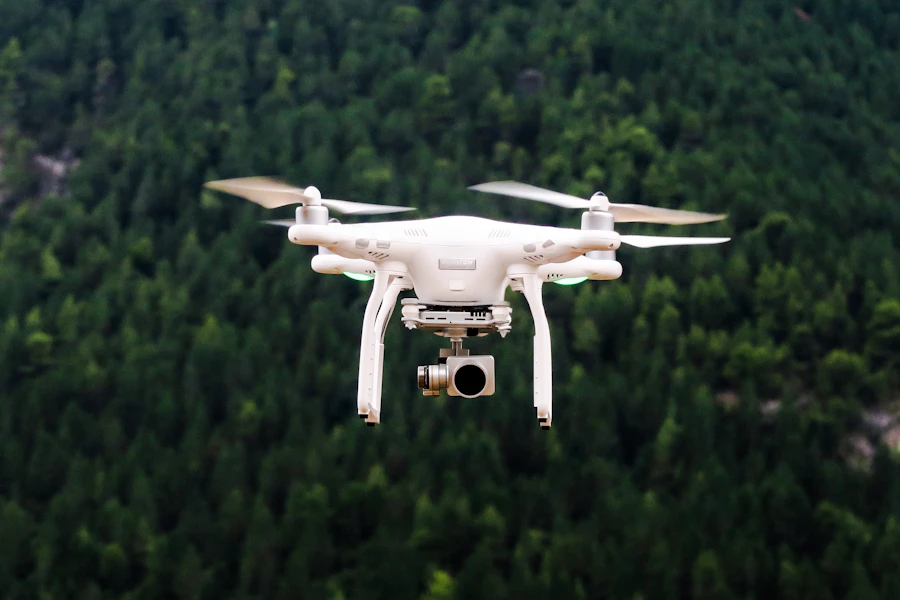
Technology roadmapThe vehicle can become a moving base station: drive to the work zone, launch a supervised drone mission, collect data, then move to the next point.

Autonomous material movement for the spaces between machines.
Development directionFactories and yards have a lot of movement between machines. PsyArc is aimed at those short, useful runs where a full-size vehicle is too much.
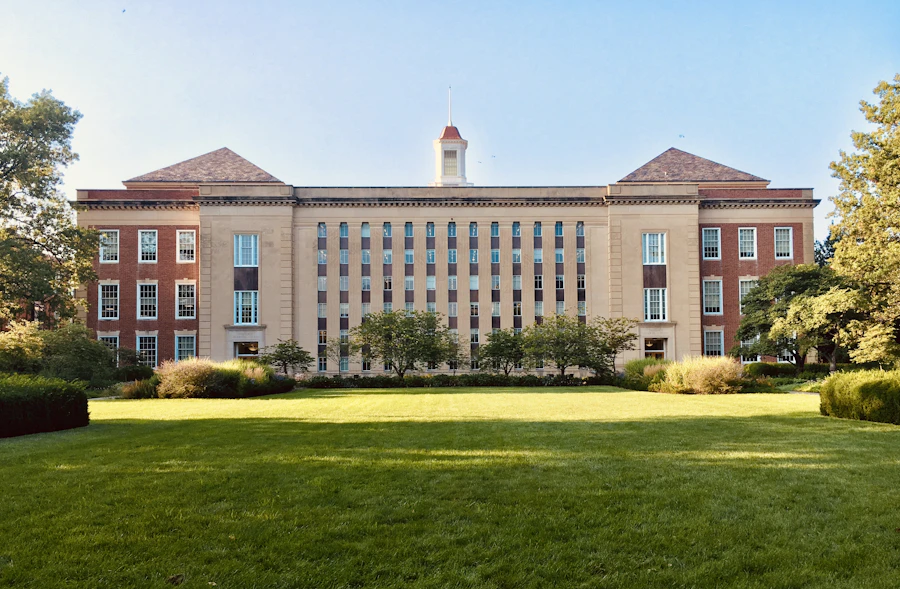
An autonomous utility workhorse for large campuses.
RoadmapLarge campuses need small utility movement all day. The focus here is packages, maintenance material, linen, food, waste and trailer-based work.

Road work that reacts to the road.
Development directionFor sweeping and city maintenance, the useful loop is practical: see the road, choose the right cleaning action, run the tool, and check the result.

Better visibility in difficult places.
Supervised autonomous patrol roadmapRemote patrol is not only about driving. It is about seeing people, animals, obstacles and terrain clearly enough for a supervisor to act.
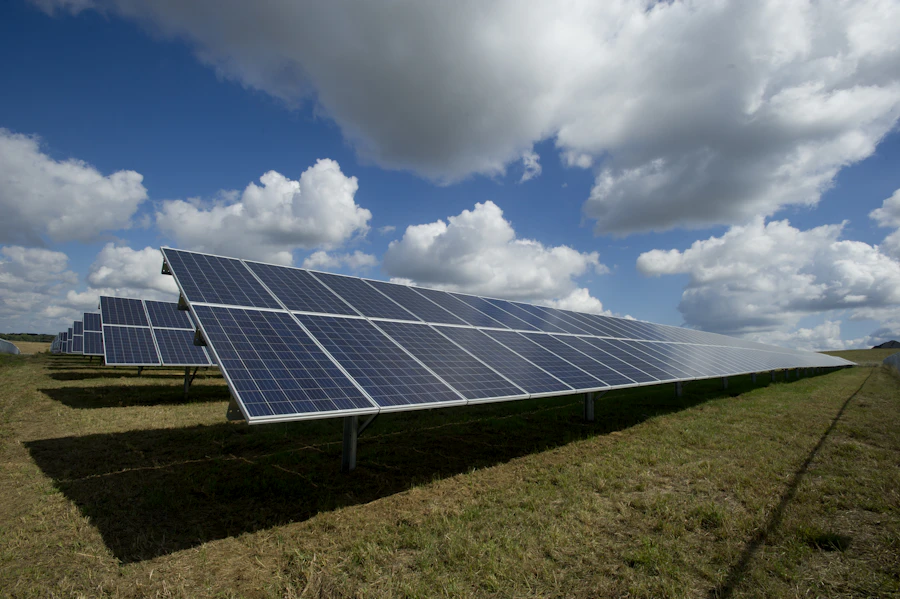
Autonomy for the spaces where infrastructure gets built and maintained.
Technology roadmapInfrastructure sites need tools, spares, inspection equipment and sensors moved reliably. PsyArc gives that work a vehicle-native intelligence layer.
Emerging applications
These are not launch claims. They are places where the same vehicle-plus-payload architecture can become useful as the hardware and workflows mature.
From assistance to autonomy
This is a roadmap, not a deployment claim. The first steps are perception and assistance; deeper task control comes after the system proves itself in the field.
RT100 reference platform
CROC EV, built on RT100, gives PsyArc hard constraints to work against: packaging, power, payload, controls, certification, cost and field reliability. That keeps the intelligence layer grounded in vehicle work from day one.
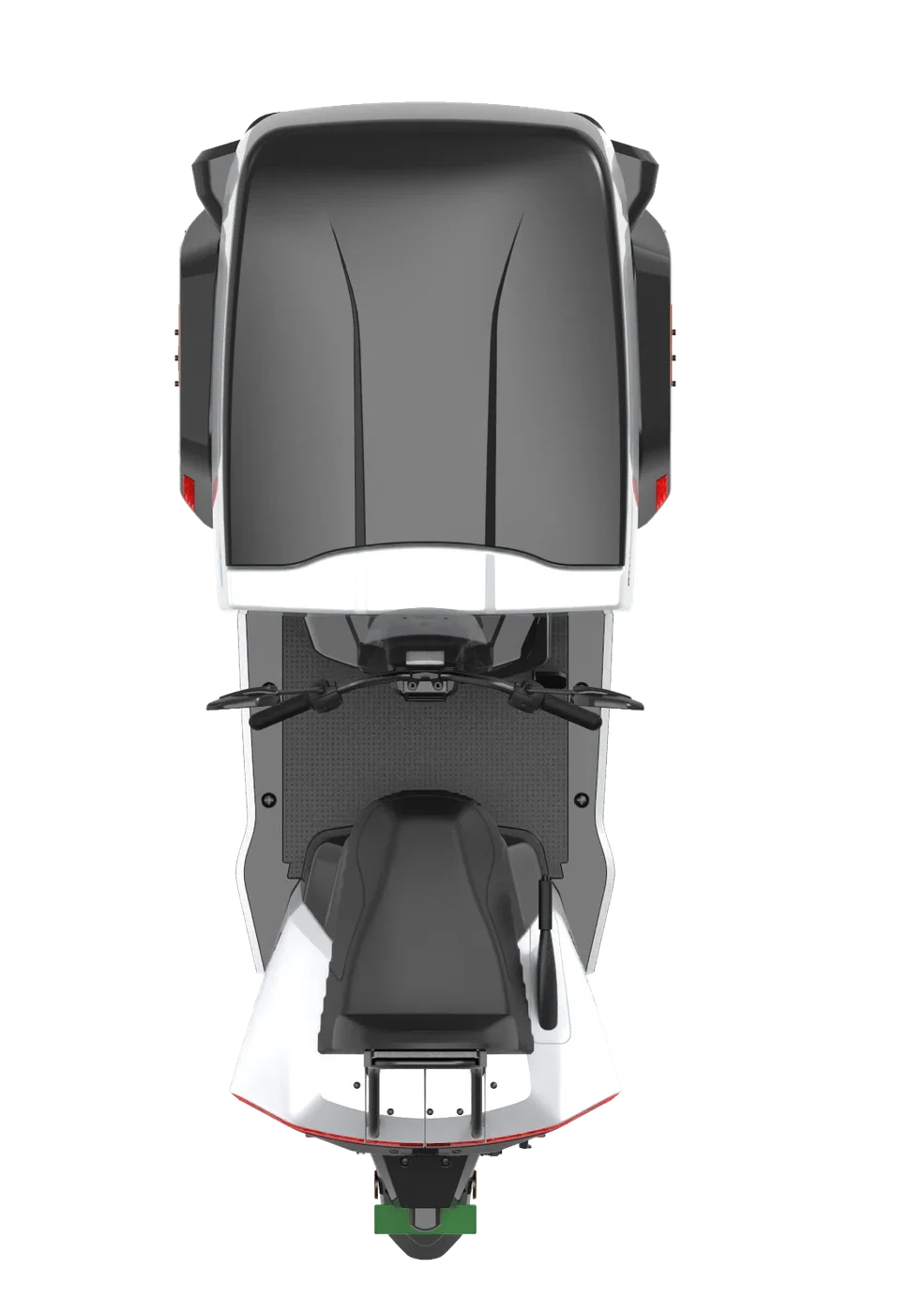
A production-intent compact commercial EV gives the AI roadmap real packaging and power limits.
Payload use cases, telematics, controls and certification are part of the starting point.
Field feedback can shape perception, task logic and control behaviour without guessing from simulations alone.
PsyArc Inside
PsyArc can become the badge for a vehicle that carries its own work intelligence: perception, decision, control and action in one system.

NVIDIA Inception Program
PsyArc is being built with NVIDIA at the edge: compute for perception, inference and robotics workloads inside real work-vehicle applications.
Speedloop Auto is a member of the NVIDIA Inception Program. PsyArc is powered by NVIDIA for edge AI workloads across perception, inference and task intelligence.
Why now
Edge AI, cheaper sensors, software-defined EVs and bounded autonomous workflows are converging. PsyArc turns those trends into practical vehicle intelligence for real commercial work.
Perception and inference can now run closer to the vehicle, which makes real-time work decisions more practical outside a lab.
Camera, radar, thermal and vehicle telemetry are mature enough to package into commercial-duty vehicles without treating every pilot like a science project.
Electric powertrains, telematics, batteries and controls create a cleaner interface for intelligence, payloads and supervised autonomy.
Low-speed routes, campuses, yards, farms and municipal operations give autonomy clearer operating domains than open-road passenger driving.
Operators want safer routes, better uptime and proof of work. Connected vehicles can turn field data into product improvement.
Our long-term vision
PsyArc starts with CROC EV and specific jobs. From there, the roadmap expands into more applications, more payloads, more vehicle types and deeper OEM partnerships.
Make work vehicles smarter, one job at a time.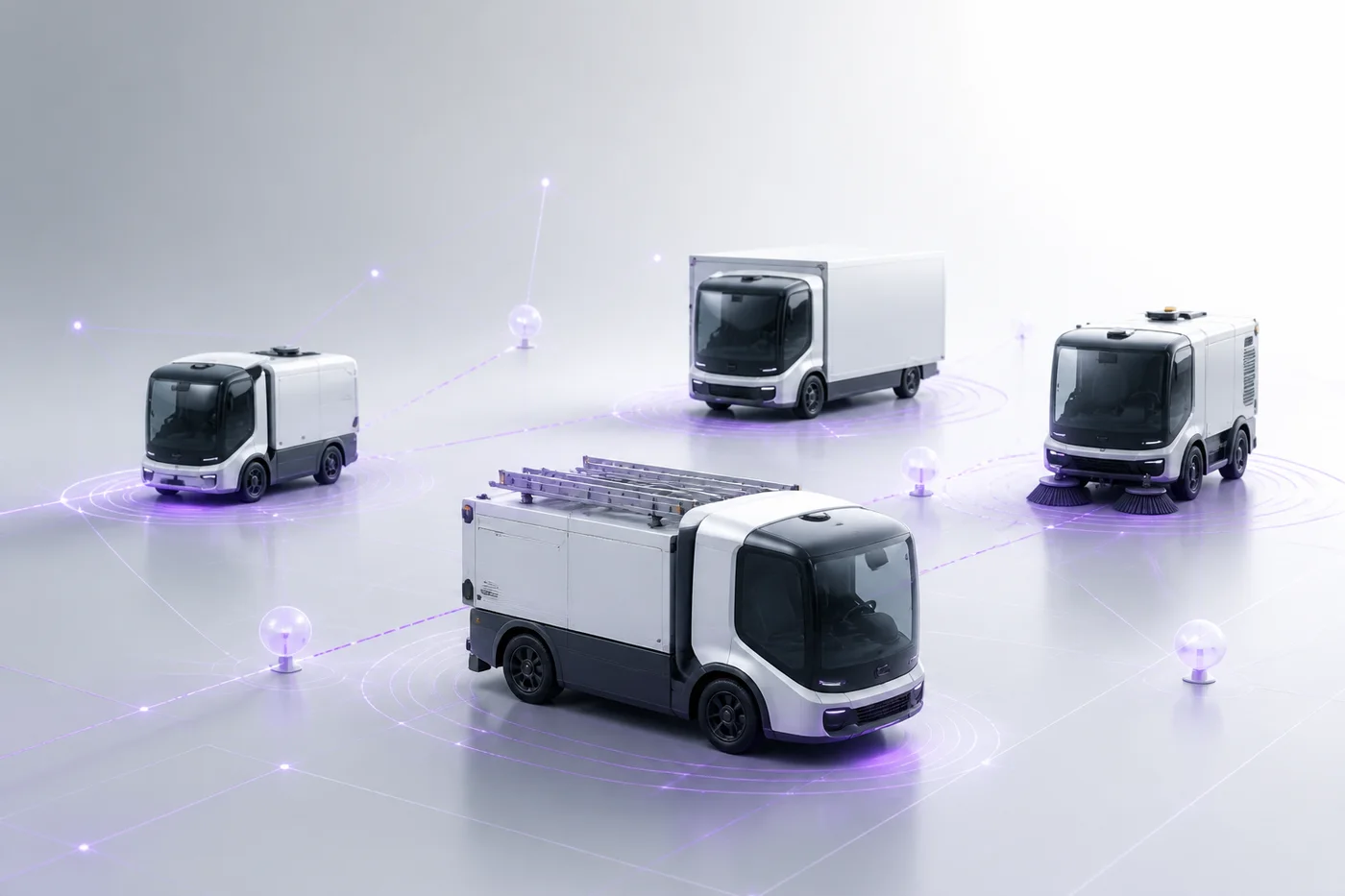
Technology partners / operators / OEMs
We are looking for technology partners, operators, fleet owners and OEMs who want to bring Physical AI into real commercial and utility work.