Inside a large site, things move all day. Clean linen to wards and rooms, used linen to the laundry. Stationery and supplies from the store to departments. Guest luggage from reception to a cottage. Waste from buildings to the collection point. Each load is small, but there are many of them, and most are pushed on trolleys, carried by hand or balanced on a scooter.
This post is for facilities heads at hospitals, colleges, resorts, industrial campuses and gated townships. It covers how to map your internal runs, and where a compact cargo EV fits among them.
Map the internal runs first
Spend one week noting every regular internal movement on your site. For each one, write down:
- What moves: linen, supplies, food trays, luggage, waste or tools.
- From where to where, and the path between them.
- How heavy each trip is, and how many trips there are in a day.
- The busiest times of day, and which paths are shared with patients, students or guests.
Most sites find a handful of routes that run many times a day. Those are the ones to plan around first.
Where CROC EV fits on a campus
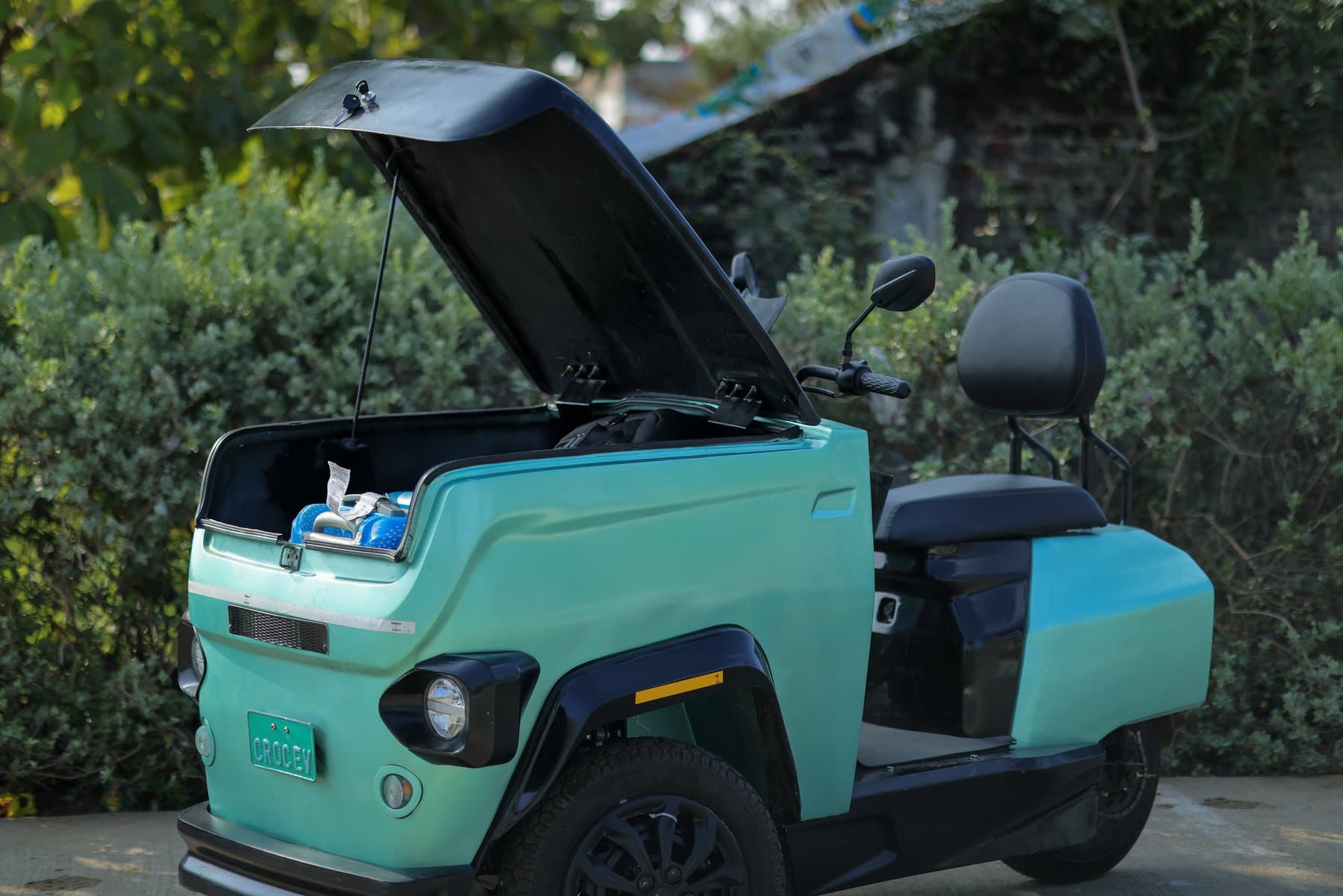
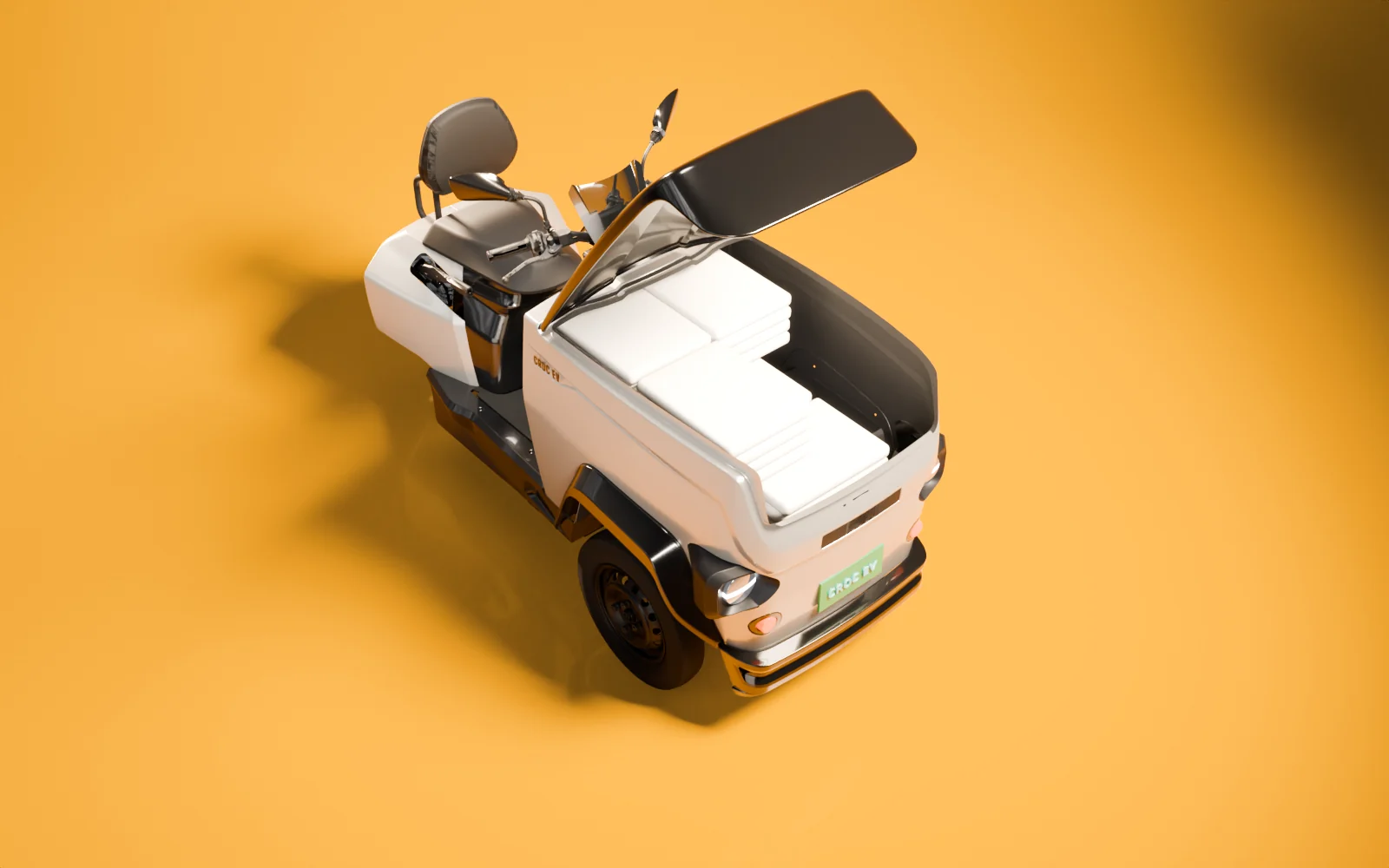
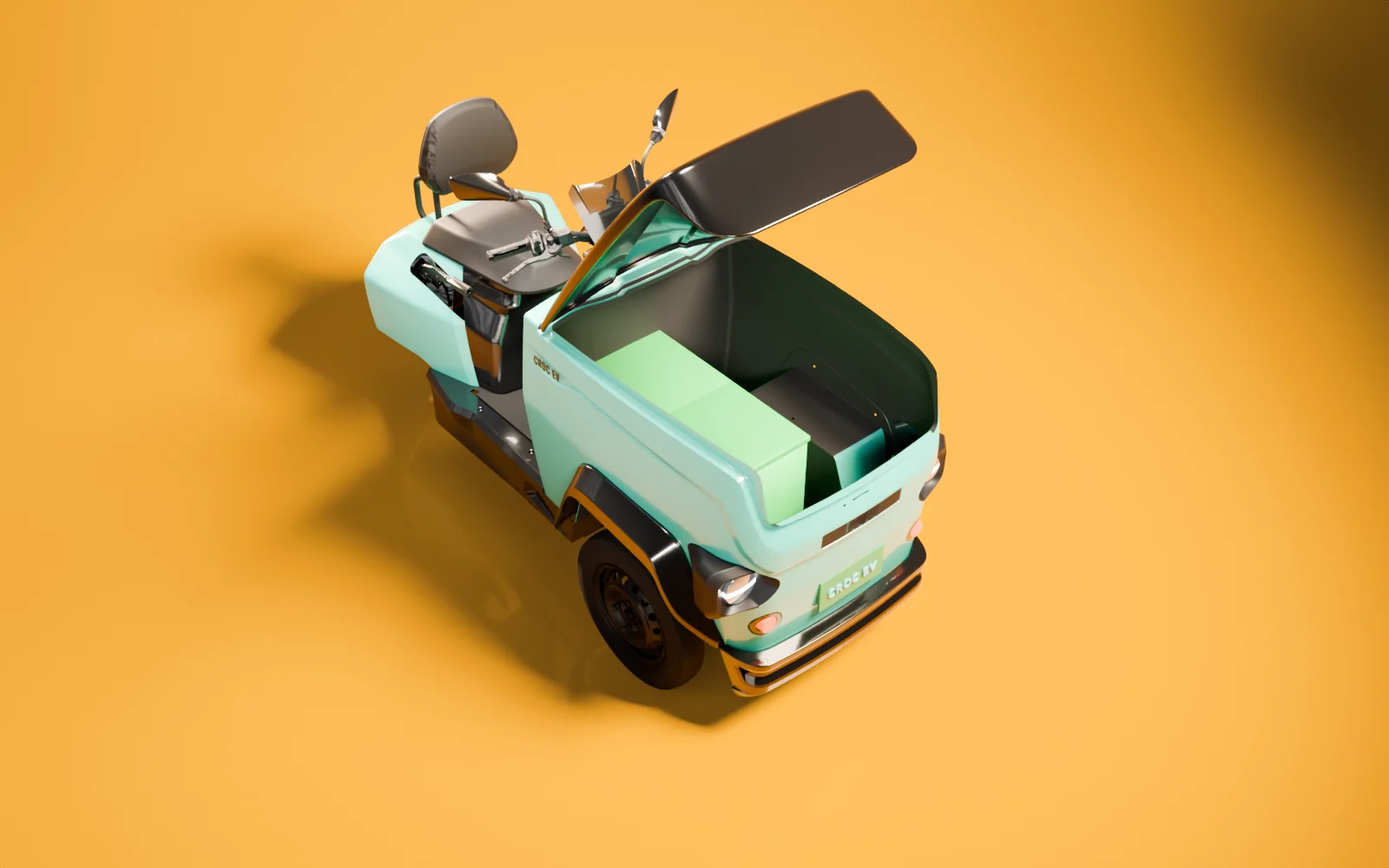
CROC EV is rated for 80 kg of payload, with a 25% overload allowance to 100 kg, in a 380-litre lockable box. That suits frequent, light and bulky loads such as linen, supplies and luggage. Linen in particular fills the box well before it reaches the weight limit.
- Paths: an overall width of 930 mm suits internal roads, service lanes and many pathways. Check your narrowest gate, bollard gap and ramp.
- Speed: the top speed is 25 km/h. Many sites set their own lower limit near buildings and pedestrians, so brief every driver on your site's rule.
- Quiet movement: an electric drive suits wards, hostels and guest areas early in the morning and late at night.
- Clearance: a ground clearance of 170 mm handles the speed breakers and kerb ramps found on most internal roads.
Geo-fencing suits a gated site
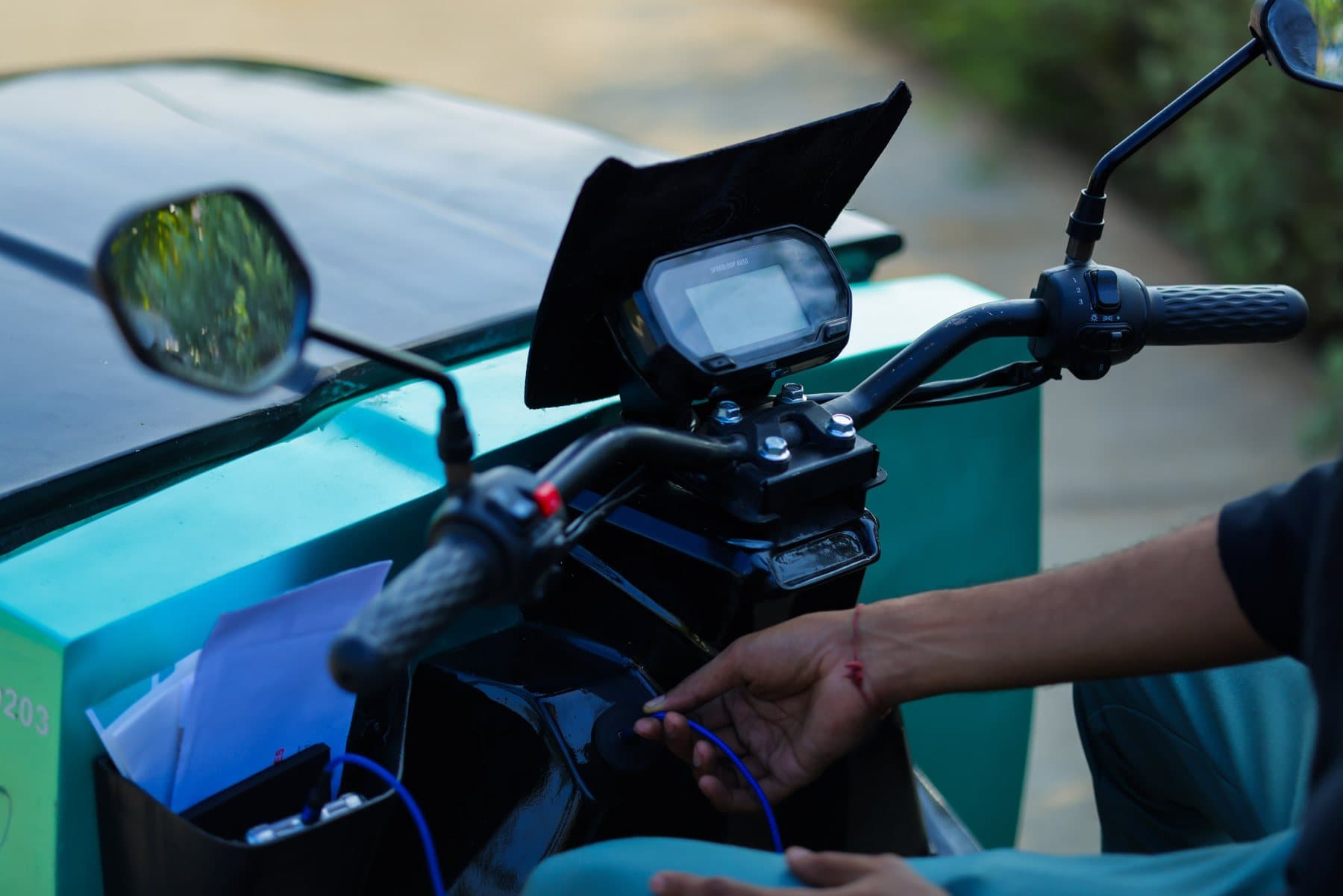
On a campus, the vehicle should stay inside the boundary. CROC EV's geo-fencing can be set around the site, so a vehicle that leaves it is flagged. GPS tracking shows a facilities manager where each vehicle is, and remote lock secures one from a phone. Brake-to-start, sit-to-start and auto-off mean a vehicle left at a building entrance does not move off by accident.
Charging across a site
A campus usually has sockets near every building, which keeps charging simple. CROC EV charges in about 2 h 30 min from an ordinary 5 A socket, using the 750 W charger that comes with it, and no charging station is needed. Give each vehicle one earthed socket in a covered spot, and set its charge window around the quiet hours.
Internal runs are short, so 40 km on one battery covers the daily routes on many sites. For sites that work two or three shifts, a second battery takes the day to 80 km, and one battery charges while the other is in use.
Bodies built to order, and heavier moves
Not every campus job is a box job. We build sweeping and civic bodies, and campus bodies, to order on the same chassis, for estate maintenance, waste collection and similar work. Tell us the job and we will work out the body with you.
For heavier internal moves, such as bins, spares and crates between stores, lines and dispatch, Titan EV is configured per site for loads up to one tonne. A site can run both: CROC EV for the light, frequent runs and Titan EV for the heavy ones.
The numbers for a campus run
- Payload
- 80 kg, plus 25% overload allowance
- Cargo box
- 380 litres, lockable, FRP
- Overall width
- 930 mm
- Ground clearance
- 170 mm
- Top speed
- 25 km/h
- Telematics
- GPS tracking, geo-fencing, remote lock
Plan your site with us
Send a rough map of your regular runs on WhatsApp to UrbanCarriers by Speedloop Auto at +91 86250 40203, or tell us what you carry and where at speedloopauto.com/contact. We will help you work out which runs suit CROC EV and which need Titan EV or a body built to order, and we can talk through financing support.
For charging across several buildings, read charging from an ordinary 5 A socket. To sort your runs by load, read how to right-size the vehicle.